
- Definition: Small, rounded rock fragments, typically 2-64 mm in size.
- Primary use: As a filter media in water filtration systems.
- Applications:
- Rapid sand filtration
- Slow sand filtration
- Biofiltration systems
- Constructed wetlands
- Septic drain fields
- Functions:
- Physical filtration of suspended particles
- Support for beneficial microorganisms in biological filtration
- Improves water distribution in filtration beds
- Advantages:
- Durable and long-lasting
- Chemically inert
- Cost-effective
- Easily cleaned and maintained
- Gravel layers:
- Often used in graduated layers of different sizes
- Supports finer filter media like sand
- Types:
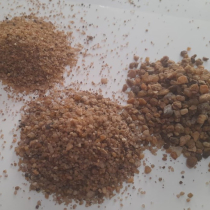
- River gravel (rounded)
- Crushed stone (angular)
- Size selection:
- Varies based on specific treatment process requirements
- Proper sizing ensures optimal flow and filtration
- Maintenance:
- Periodic backwashing to remove trapped particles
- Occasional replacement or replenishment
- Environmental impact:
- Natural material with minimal ecological footprint
- Can be recycled or repurposed after use
- Compatibility:
- Works well with other filter media and treatment processes
Gravel is a crucial component in various water treatment processes. Key points include:
Be the first to review “Gravel” Cancel reply
Reviews
There are no reviews yet.